When you think of salt, you might picture the standard table salt you sprinkle on your meals. But the world of salt is much more diverse and exciting! There are various types of salts, each with its unique flavor, texture, and uses. Let's dive into some of the fascinating varieties you might want to explore.
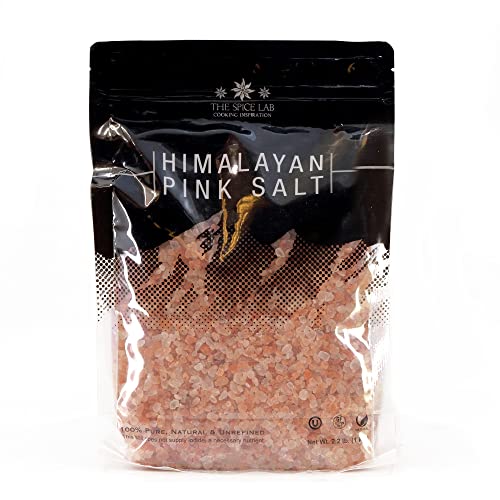
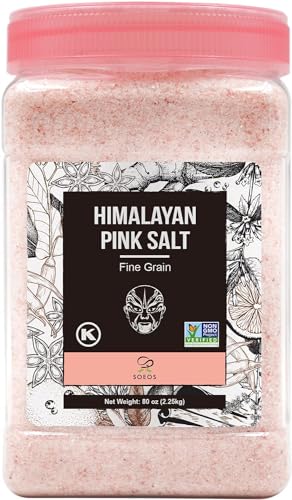
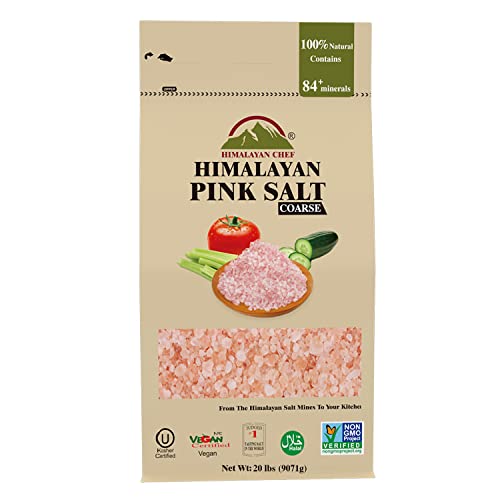
First up, we have Himalayan pink salt. Recognized for its stunning pink hue, this salt is packed with minerals and adds a mild, earthy flavor to dishes. It’s perfect for grilling or as a finishing touch on salads. You can even find it in blocks for cooking and serving!
Next, there's sea salt, which is harvested from evaporated seawater. The flavor can vary based on the body of water it's sourced from. Coarse sea salt works wonders in seasoning meats, while finer varieties are great for baking. The crunchy texture of sea salt can elevate the taste of sweet treats, too!
Then, we can't forget about kosher salt, a favorite among chefs. It has larger grains that make it easy to pinch and sprinkle over food. Its mild flavor profile makes it a go-to for brining meats and seasoning vegetables without overwhelming their natural taste.
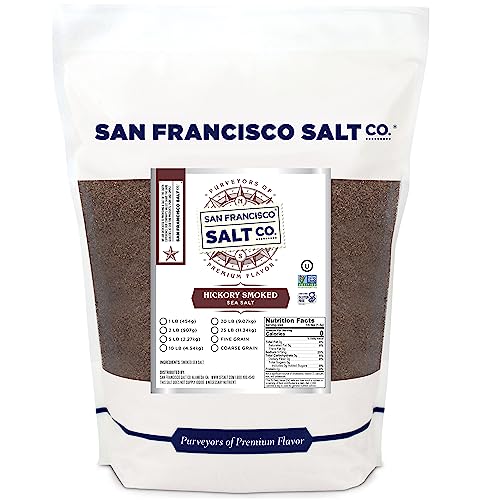
Lastly, consider experimenting with smoked salt. This unique salt is infused with smoky flavor from wood chips, making it a fantastic way to add depth to dishes without using actual smoke. It's brilliant in marinades, on popcorn, or even on a fresh salad to give it that extra twist!
Unique Salt Traditions Around the Globe
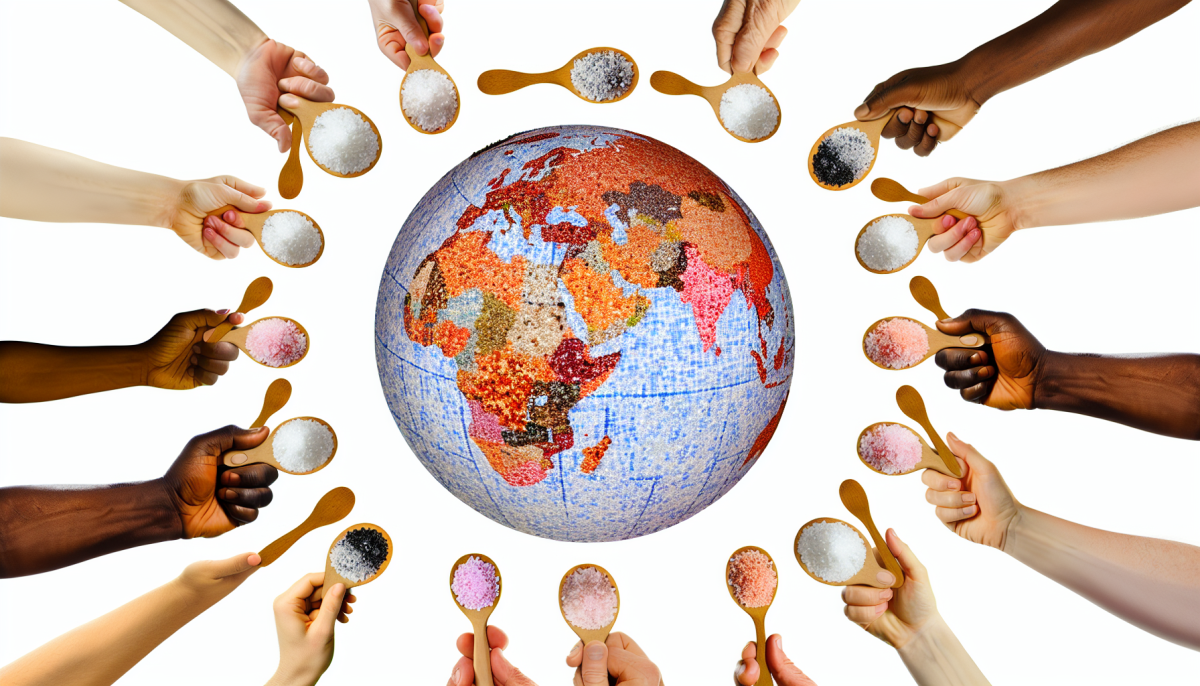
There’s something special about salt that goes beyond just seasoning our food. Around the world, different cultures have their own unique salt traditions that shape their culinary practices and even their daily lives. From ancient harvesting methods to modern uses, each tradition offers a glimpse into the heart of its region.
Take the infamous Fleur de Sel from France, for example. This flaky sea salt is hand-harvested from the salt marshes of Guérande. Local salt farmers, called "sauniers," gather it during certain weather conditions, making it a labor of love. It’s often sprinkled over dishes just before serving to add that perfect finishing touch!
In Japan, a different kind of salt tradition thrives with their unique approach to saltwater shino clay. Made from the pristine waters of Okinawa, this salt is used not just for cooking but also in traditional ceremonies. Japanese chefs often emphasize the importance of salt in enhancing the natural flavors of ingredients without overpowering them.
Then there’s the vibrant pink salt from the Himalayan mountains. It’s pretty famous these days, but its origins are steeped in history, as it’s believed to have formed millions of years ago. Many people use it for both cooking and health benefits, touting its mineral content and natural beauty. Plus, it adds a lovely color to dishes!
These are just a few examples of how salt is woven into the fabric of cultures worldwide. Whether it’s for flavor, health, or tradition, each unique salt practice tells a story that makes exploring different salts an exciting culinary adventure.
How to Use Specialty Salts
Using specialty salts can elevate your cooking and bring out unique flavors in your dishes. Here are some simple ways to incorporate them into your meals:
Just remember, a little goes a long way! Start with a small amount, and you can always add more to taste. Enjoy discovering the wonderful world of specialty salts and the flavors they can bring to your table!
The Health Benefits of Various Salts
When we think of salt, we often just picture the plain white table salt, but there’s a whole world of unique salts out there, each bringing its own flavor and health benefits to the table. From Himalayan pink salt to sea salt, let’s explore how different salts can contribute to better health.
Himalayan Pink Salt: This beautiful pink salt is rich in minerals, containing over 80 trace elements. It’s said to help balance your body's pH levels and can even aid in hydration. Plus, it can be a great alternative for seasoning your meals without the usual health concerns associated with regular salt.
Sea Salt: Harvested from the ocean, sea salt retains nutrients that are stripped away in processing regular table salt. It's less refined and often contains useful minerals like magnesium and calcium, which may support bone health. Just sprinkle a little on your dishes for that extra pop of flavor without the guilt!
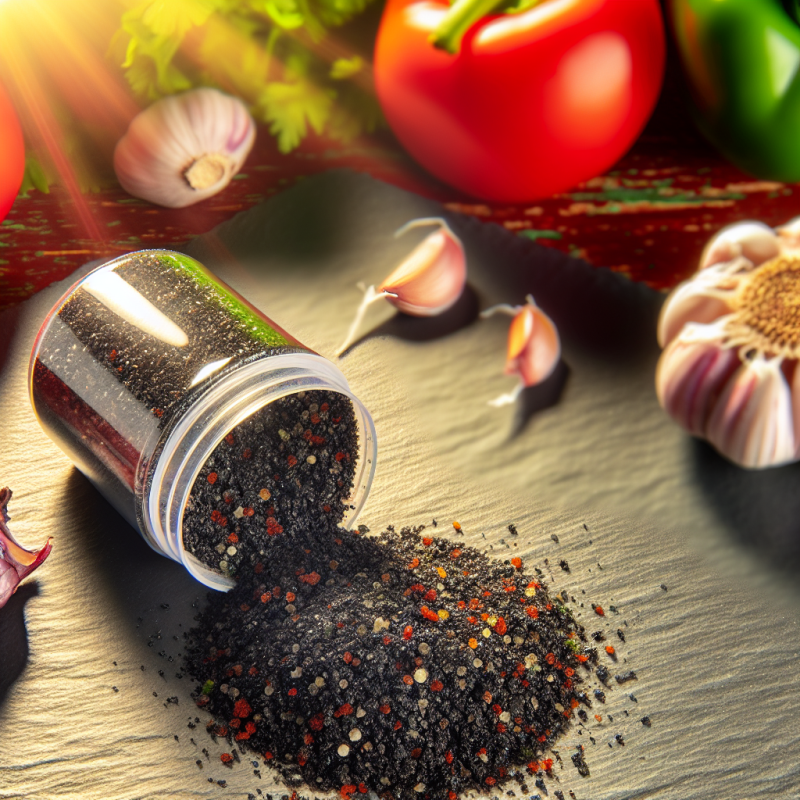
Black Salt: Also known as Kala Namak, this salt has a distinct flavor and is packed with antioxidants. It’s commonly used in Indian cuisine and is believed to help with digestion. If you’re looking for a salt that not only enhances taste but also brings some health perks, black salt’s a great choice.
Fleur de Sel: This flaky sea salt is not just a pretty garnish; it’s hand-harvested and retains natural minerals that can support your health. It’s often praised for its subtle sweetness and crunch. Using Fleur de Sel to top off dishes can be a delicious way to elevate your meals while adding a light sprinkle of minerals.