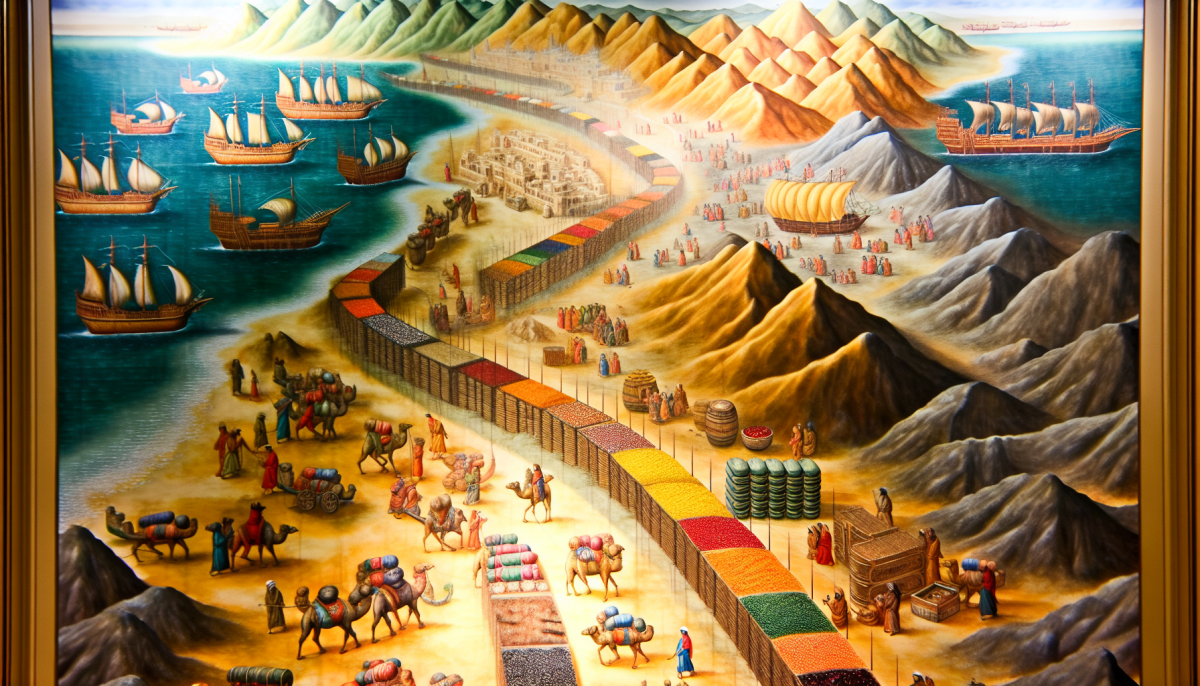
When you think about ancient trade routes, it’s hard not to get excited about the stories and flavors they carried. Imagine traders braving long distances, their caravans filled with spices like cinnamon, nutmeg, and pepper. These weren't just everyday goods; they were like gold back then! Each stop along the way introduced merchants and their customers to new tastes and traditions, weaving a spicy tapestry of connection throughout the ancient world.
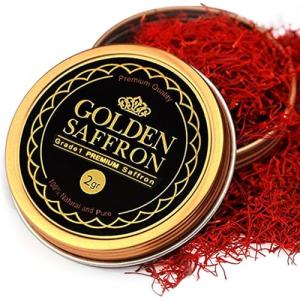
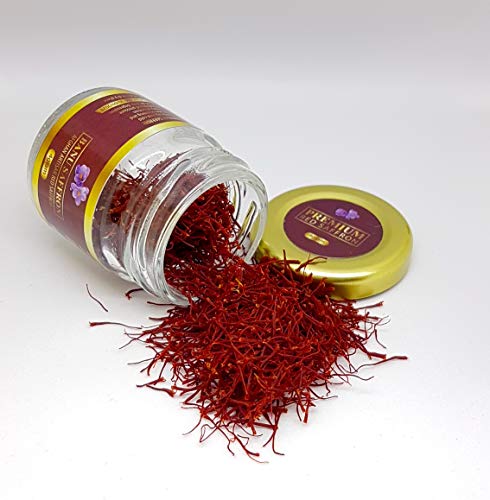
Take the Silk Road, for example. This iconic network linked the East and West, starting in China and stretching all the way to Europe. It became famous not only for goods like silk but also for exotic spices. Merchants set out with loads of precious saffron and cardamom, sharing not just products but also recipes and cooking techniques that would change local cuisines.
And let's not forget the Incense Route! This path connected Arabia, India, and beyond, and it played a key role in the spice trade. Frankincense and myrrh were the stars of this route, highly valued for religious rituals and healing practices. The influence of these aromatic resins traveled far and wide, leaving a lasting impact on cultures.
As these routes thrived, they also facilitated the exchange of knowledge and traditions. Spices weren't just for flavor—they held cultural significance, shaped economies, and even influenced politics. The pursuit of spices drove explorers to seek new lands and opportunities, altering the map of the world as they knew it. It’s pretty wild to think how a simple spice could hold so much power!
- Spice Tales from the Silk Road
The Silk Road isn't just about merchants trading silk; it was a bustling corridor brimming with spices that changed the culinary landscape of many cultures. Imagine a long journey through deserts and mountains, where traders carried not just goods but also stories, flavors, and traditions!
Spices like saffron, cinnamon, and pepper were more than just ingredients. They were treasures sought after by chefs and healers alike. Everyone wanted a piece of that aromatic history. The warmth of cinnamon, which came from the bark of trees in Sri Lanka, could fill a home with a sweet, comforting scent. Meanwhile, black pepper from India was so precious that it was often referred to as "black gold."
The journey for these spices was anything but easy. Traders faced challenges like harsh weather and bandits, but the rewards were worth it. When spices arrived at their destinations, they sparked new recipes and flavors. No longer were meals bland; they transformed into vibrant dishes filled with life and warmth. You can almost picture families sitting around a table, sharing meals seasoned with these exotic finds and exchanging stories from faraway lands!
Today, we still feel the impact of the spice trade. Many of our favorite dishes, from curries to baked goods, are rooted in this rich history. So, next time you sprinkle some paprika or add a pinch of nutmeg to your cooking, remember the ancient roads that brought these spices to your kitchen and the vibrant tales they carry with them.
- Flavorful Impact on Modern Cuisine
Have you ever wondered how ancient trade routes shaped the flavors we enjoy today? Spice traders traveled great distances, carrying exotic goods that transformed cooking in different regions. These spices didn’t just flavor food; they changed how people approached cooking and eating across cultures.
Take black pepper, for instance. Originating from South Asia, it made its way through the Silk Road and beyond. Once it arrived in Europe, it became a status symbol and a key ingredient in everything from stews to pastries. Its warm, zesty kick enhanced dishes that were once quite bland, proving that the right spice can truly revolutionize a meal.
Similarly, consider the impact of cinnamon and nutmeg. These warm spices traveled through ancient routes from Asia to the Middle East and eventually to Europe. They were prized for their flavor but also for their medicinal properties. Imagine the aroma of these spices changing the atmosphere of kitchens around the world – it’s no wonder they quickly became staples!
Today, modern cuisine still reflects this spicy legacy. Cuisines like Indian, Thai, and Middle Eastern are celebrated for their bold flavor profiles, often rooted in those ancient trade routes. Whether it’s a pinch of cardamom in your chai or a sprinkle of turmeric in your curry, these spices tell a story of connection and adventure through time and taste.
- How Spices Shaped Cultural Connections
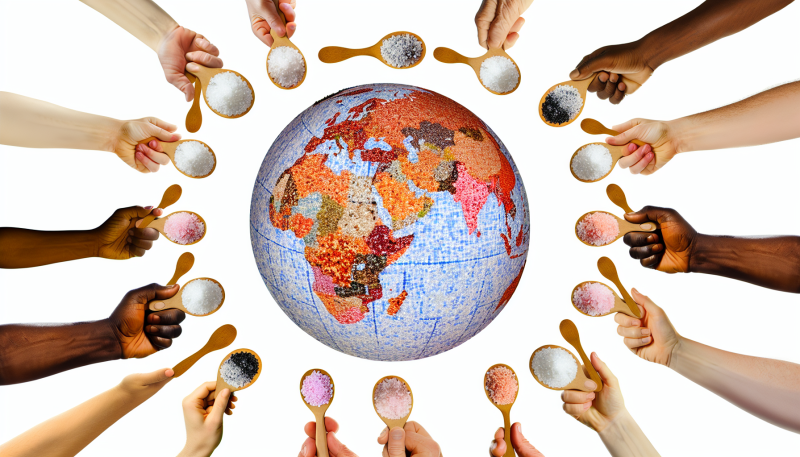
Spices have always been more than just flavor enhancers; they’ve played a vital role in shaping cultural connections across the globe. From ancient times, different cultures exchanged spices, leading to a unique fusion of traditions, recipes, and culinary techniques. Imagine the bustling markets where traders from far-off lands shared not just their goods but also their stories and culture. Every spice brought a touch of its origin, creating a delicious tapestry of flavors and histories.
Take black pepper, for example. Once so valuable, it was often referred to as “black gold.” Traders traveled thousands of miles to get their hands on it, leading to interactions between various civilizations. Those exchanges laid the groundwork for global trade routes that are still relevant today. It wasn’t just about the spice itself but the connections that formed through the very act of trading.
Similarly, spices like cinnamon and saffron found their way into the hearts and kitchens of people around the world. As these exquisite flavors traveled from Asia to Europe and beyond, they sparked interest and inspired people to experiment. Each region adapted these spices into their culinary practices, resulting in dishes we still cherish today. This blending of flavors is a testament to how spices foster cultural ties.
Even the rituals and festivities surrounding food have been influenced by spices. Many cultures have unique dishes that celebrate birthdays, weddings, and other milestones, often featuring specific spices that hold historical significance. When families gather around the dinner table, it’s not just a meal; it’s a connection to heritage, tradition, and the stories passed down through generations.