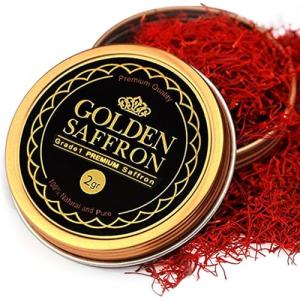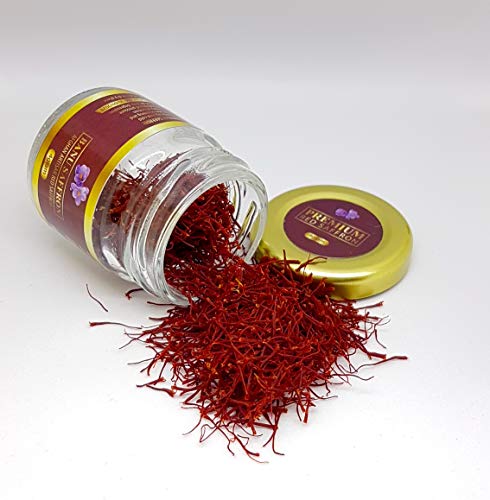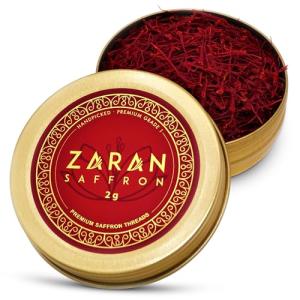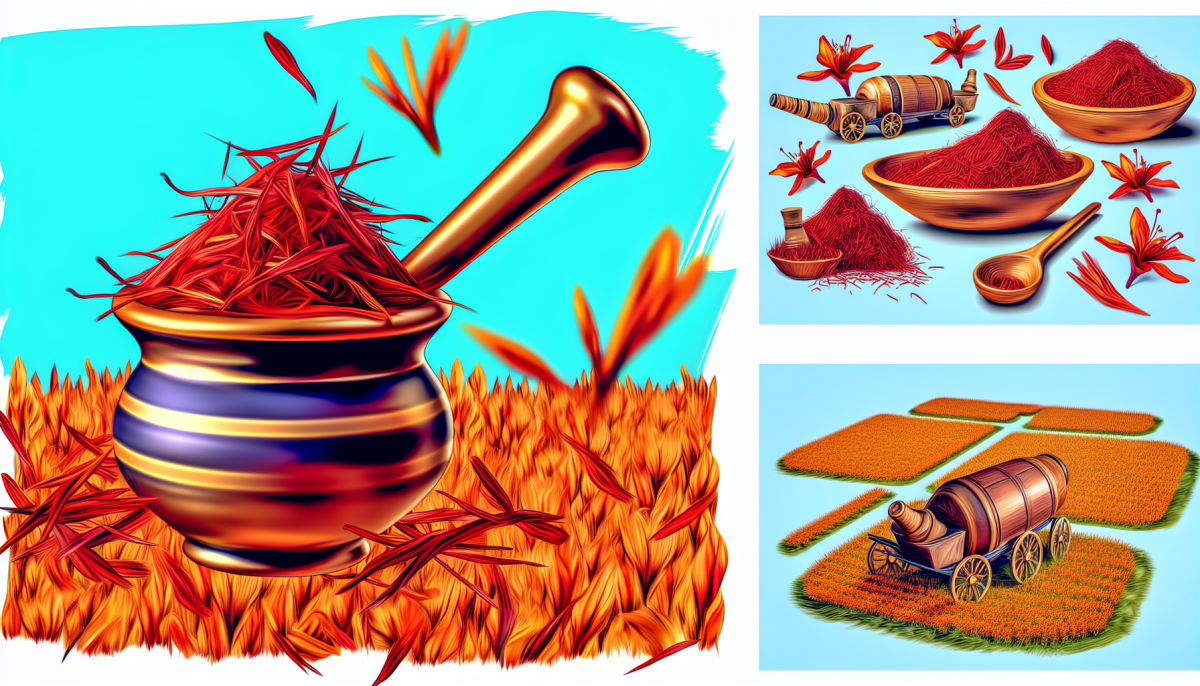
Saffron is one of the most fascinating spices you'll ever come across. It’s derived from the flower of Crocus sativus, also known as the saffron crocus. What makes saffron unique is that it’s made from the delicate, crimson stigmas of the flower. Each bloom produces just three red stigmas, which means a lot of flowers are needed to gather enough saffron for even a small amount.
So, why does saffron matter? For starters, it’s renowned for its vibrant color and distinct flavor. When added to dishes, saffron gives a warm, golden hue and a rich, slightly sweet taste that can elevate even the simplest recipes. It’s a key ingredient in various cuisines, especially in Mediterranean, Middle Eastern, and Indian dishes. Think risottos, paellas, and curries – saffron is often what takes these meals to the next level!
Beyond its culinary uses, saffron is also cherished for its potential health benefits. People often turn to it for its antioxidant properties. Some studies suggest that saffron may help improve mood, support eye health, and even enhance memory. That’s a lot of bang for your spice buck!
When you're shopping for saffron, quality is key. Look for threads that are deep red and have a slightly sweet scent. Avoid saffron that appears too dry or brittle, as it may be of lower quality. Keep in mind that real saffron can be pricey, but a little goes a long way in adding flavor and color to your dishes!
How Saffron is Grown and Harvested
Saffron, the world’s most expensive spice, comes from the flower of the Crocus sativus plant, often called the saffron crocus. Growing saffron is quite an interesting process! It’s not just about planting and waiting; it requires a bit of care and understanding of the plant's needs.
First off, saffron is typically grown in well-drained soil, preferably in climates that feature hot, dry summers and cool to cold winters. Farmers usually plant the corms (that's the bulb!) in late summer or early fall. The flowers start to bloom in the fall, and once they do, it's time for the magic to happen.
When the beautiful purple flowers bloom, the real treasure is found inside them—the stigmas. These are the tiny red threads that are carefully hand-harvested. Harvesting usually happens early in the morning to ensure the flowers are at their freshest. It’s a delicate job, as workers must gently pluck the stigmas before the flowers fully open. It’s no surprise that harvesting saffron can take a lot of people and effort!
After they're collected, the stigmas are dried to lock in their vibrant flavor and color. This drying process is crucial; it enhances the saffron's rich aroma and taste, which is why it’s so sought after. Each corm produces just a few flowers, and each flower yields only three of those precious red stigmas. That’s why you see such high prices for saffron—it really is a labor of love!
Benefits of Adding Saffron to Your Diet
Saffron isn’t just a pretty spice that adds color to your dishes; it’s packed with benefits that can elevate your health in various ways. Here are some reasons why adding saffron to your diet might be a great idea:
Add some saffron to your cooking and take advantage of its wonderful flavor and health perks. Whether in a rice dish, a soup, or even a dessert, it’s a simple way to enrich your meals and health!
Tips for Buying and Storing Saffron
When you're on the hunt for saffron, there are a few key tips to keep in mind to ensure you're getting the best quality possible. First, look for saffron threads that are deep red with a slightly orange or yellow tip. This color indicates that it's fresh and full of flavor. Avoid saffron that looks dull or has a lot of yellow because it might be of lower quality.
It's also a good idea to check for a strong aroma. Genuine saffron should have a pleasant, earthy scent. If the smell is faint or nonexistent, it might not be worth your money. Don't hesitate to ask your local spice shop for a sample if you’re unsure!
When it comes to storing your precious saffron, keep it simple. Saffron should be kept in an airtight container, away from light, heat, and moisture. A cool, dark cupboard works wonders. If stored properly, it can last for up to two years, but for the best flavor, try to use it within the first year.
Also, remember that saffron is super potent, so a little goes a long way. You don’t need to use a lot to get that beautiful color and flavor in your dishes. Generally, just a pinch is enough for a big pot of risotto or paella! Enjoy experimenting with this amazing spice!