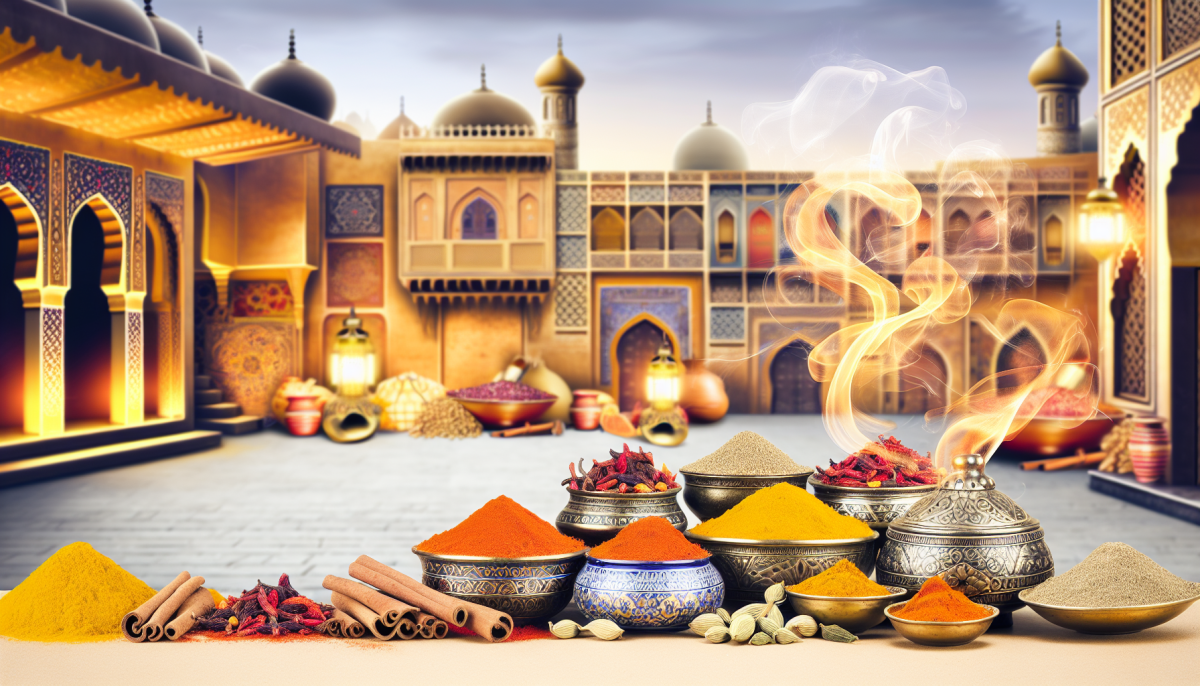
Middle Eastern cuisine is a vibrant tapestry of flavors, colors, and aromas that can transport your taste buds to another world. When you explore this culinary landscape, you're greeted by a captivating mix of spices that brings each dish to life. From warm, earthy cumin to the sweet, fragrant notes of cinnamon, these spices are the soul of Middle Eastern cooking.
One of the stars of the spice cabinet is sumac. This tangy, lemony spice adds a delightful zing to salads and grilled meats. It's often sprinkled on dishes as a finishing touch, giving everything from roasted vegetables to hummus a bright, fresh flavor that intrigues the palate.
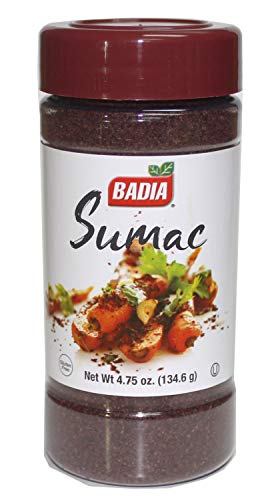
Badia Sumac Seasoning, 4.75 Ounces
Elevate your dishes with the tangy and zesty flavor of authentic Middle Eastern sumac
Product information
$6.28
Product Review Score
4.19 out of 5 stars
202 reviewsProduct links
Za'atar is another must-try spice blend, which usually combines thyme, sesame seeds, and dried sumac. Its herbal and nutty notes make it perfect for seasoning meats or drizzling on fresh bread with a bit of olive oil. A simple mix of za'atar with yogurt also creates a delicious dip that pairs beautifully with pita or veggies.
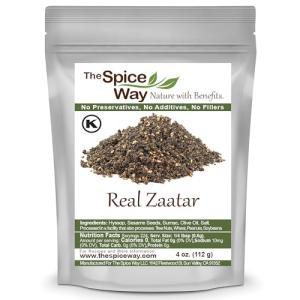
Za'atar Spice Blend with Hyssop - 4oz
Elevate your dishes with this vibrant blend of herbs and spices for a taste of the Middle East
Product information
$8.99
Product Review Score
4.69 out of 5 stars
223 reviewsProduct links
Don't overlook the warm embrace of cardamom, either. This spice adds a hint of sweetness and an aromatic essence to both savory dishes and desserts. Whether it’s in aromatic rice dishes, rich stews, or even fragrant teas, cardamom elevates your meal and leaves a lasting impression.
Each of these spices tells a story and plays a crucial role in bringing Middle Eastern dishes to life. Curious about where to start? Try incorporating a pinch of these flavors into your cooking, and discover a whole new world of delightful tastes. You'll be amazed at how a few simple spices can transform a meal into a magical experience!
Top Spices That Elevate Your Dishes
If you want to bring some excitement to your meals, Middle Eastern spices are your best friends! These spices not only add rich flavors but also lift the entire dish to a new level. Here’s a quick rundown of some top spices you should have in your kitchen.
1. Cumin
Cumin has a warm, earthy flavor that ties many dishes together. It’s commonly used in spice blends and can really enhance the taste of soups, stews, and even roasted veggies. Just a pinch can make all the difference!
2. Sumac
This vibrant, reddish-purple spice is tangy and lemony, making it a fantastic addition to salads and meats. Sprinkle it over grilled dishes or use it in marinades for a zesty kick. It leaves a delightful burst of freshness that you won't forget.
3. Za’atar
Za’atar is a fascinating blend usually featuring thyme, sesame seeds, and sumac. This mix is perfect for dipping bread in olive oil or seasoning meats and veggies. You'll find that it adds depth and complexity to whatever you're preparing.
Za'atar Spice Blend with Hyssop - 4oz
Elevate your dishes with this vibrant blend of herbs and spices for a taste of the Middle East
Product information
$8.99
Product Review Score
4.69 out of 5 stars
223 reviewsProduct links
4. Turmeric
Known for its bright yellow color, turmeric offers a warm, slightly bitter flavor. It’s not just for curries! Add it to rice or smoothies for extra health benefits and a pop of color. Plus, it's loaded with antioxidants!
Experimenting with these spices can transform your home cooking. Whether you use them individually or combine them, they can turn the simplest ingredients into something truly special.
How to Use Spices in Everyday Cooking
Using spices in your everyday cooking can completely transform your meals, especially when diving into the vibrant world of Middle Eastern flavors. Let’s break it down into some easy steps that can bring a burst of taste to your kitchen.
First, start with the basics. Common Middle Eastern spices include cumin, coriander, paprika, and saffron. Each of these has a unique flavor profile. For example, cumin adds a warm, earthy taste, while saffron brings a subtle sweetness. Try incorporating them into your dishes by:
- Seasoning meats: Rub spices onto chicken, lamb, or beef before grilling or roasting. A mix of cumin and paprika works wonders!
- Flavoring grains: Stir in some spices into your rice or couscous while cooking for an aromatic side dish. Toss in coriander and a pinch of salt for a delightful boost.
- Enhancing vegetables: Sprinkle your favorite spice blend on roasted veggies. Cumin and turmeric can really elevate their natural flavors.
Don’t forget the magic of spice blends! Za’atar and baharat are fantastic pre-mixed options that bring together multiple spices for convenience. Just a spoonful can instantly elevate soups, stews, and dips. Experiment with it in hummus or sprinkle over your dishes for an extra kick.
Lastly, start slow and taste as you go. Spices can be intense, so add a little at a time until you find the right balance for your palate. Cooking is all about discovery, so don’t hesitate to try different combinations and have fun with it!
Tips for Storing Your Spice Collection
When it comes to spices, proper storage can make a huge difference in flavor and freshness. Here are some simple tips to help you keep your Middle Eastern spice collection in top shape!
Keep It Cool and Dark: Spices love a stable environment. Find a cool, dark place—like a pantry or cabinet—where they won't be exposed to sunlight or heat. A temperature-controlled spot can help preserve their vibrant colors and aromas.
Use Airtight Containers: Air is the enemy of freshness. Opt for glass jars with tight lids or airtight containers to keep moisture and air out. Not only do they look great on your shelves, but they also protect your spices from losing their kick.
Label Everything: When you have a variety of spices, it’s easy to mix them up. Use labels to mark what each container holds and the date you bought them. This way, you’ll always know what you have on hand and how fresh it is!
Buy Whole Spices When Possible: Whole spices last longer and keep their flavor better than ground ones. If you can, stock up on whole spices and grind them as needed. A spice grinder or mortar and pestle can turn your cooking into a more aromatic experience!